
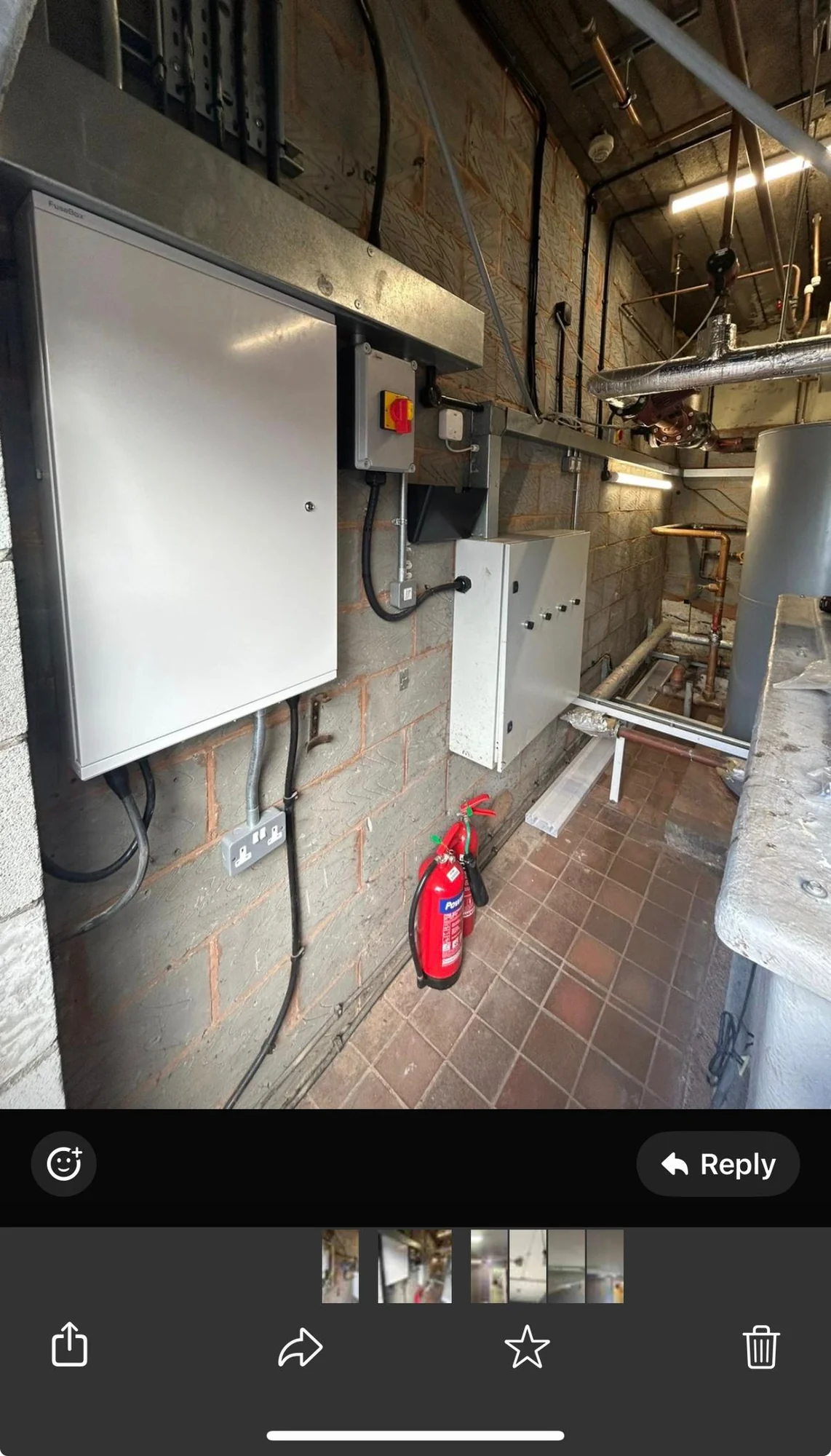
NICEIC electrical services across Somerset

Consumer-unit changes, fuse-board upgrades, rewires and small-commercial fit-outs

Electrical work, properly certified

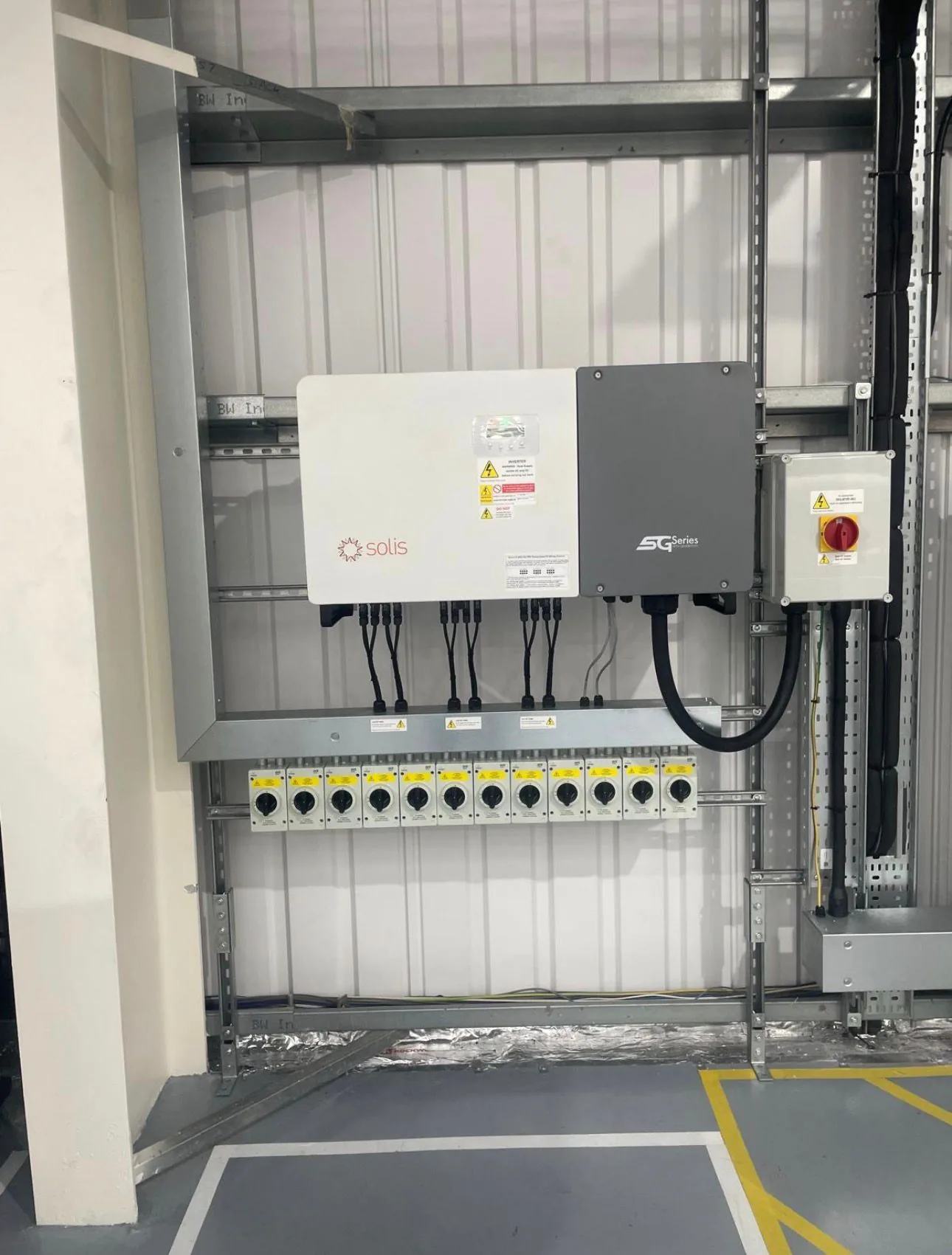
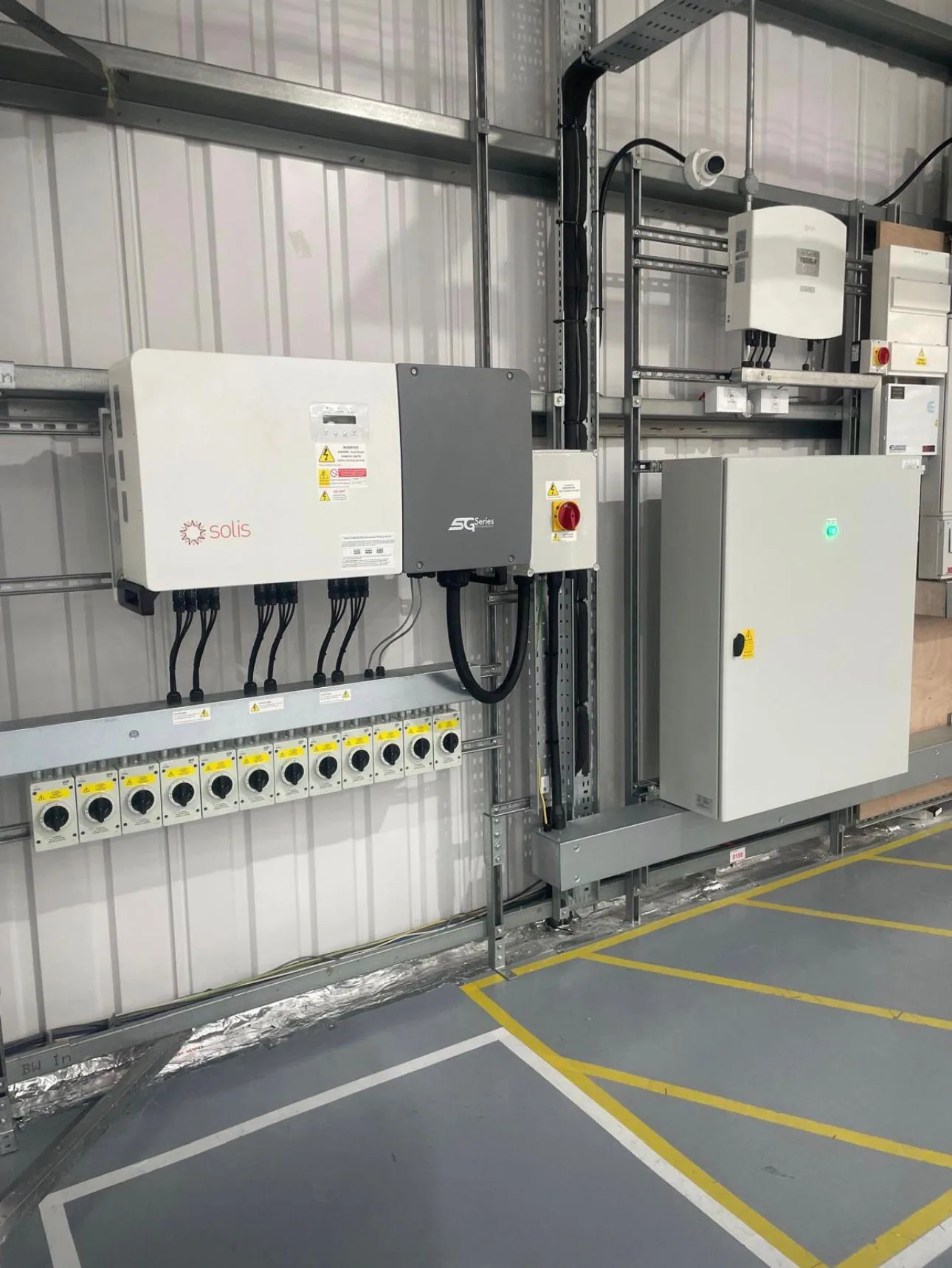
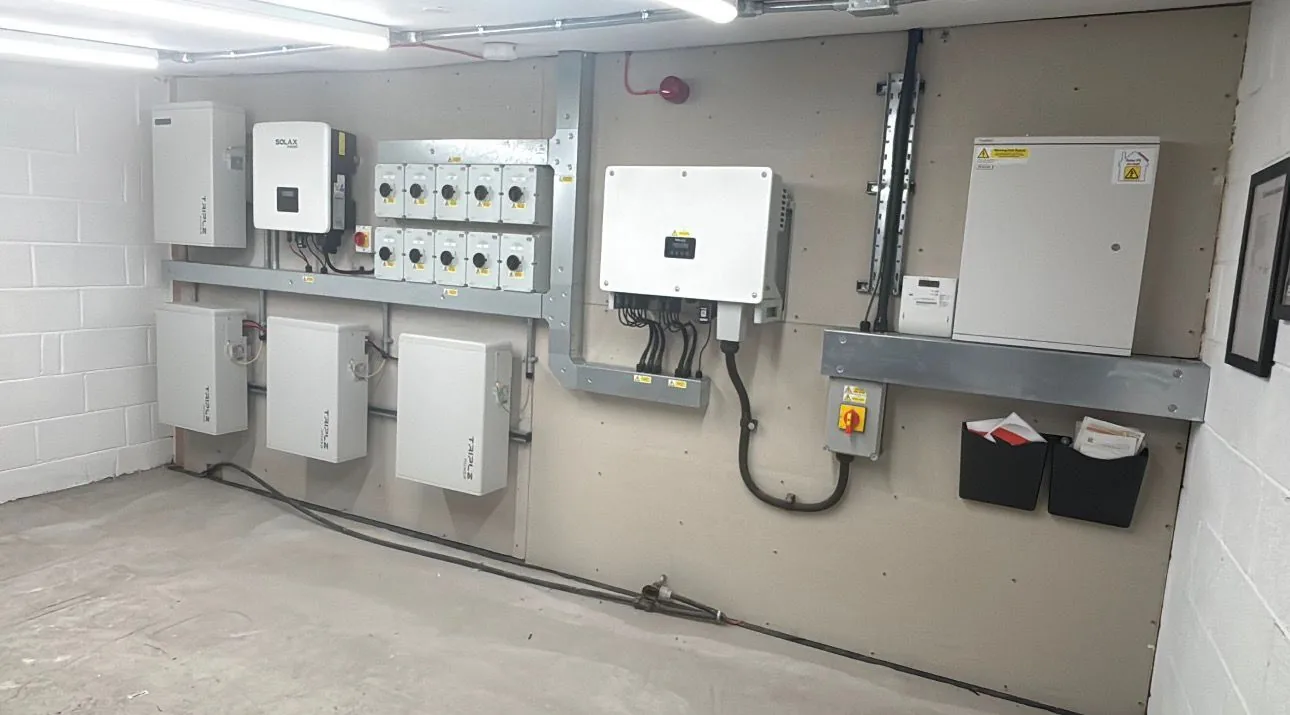
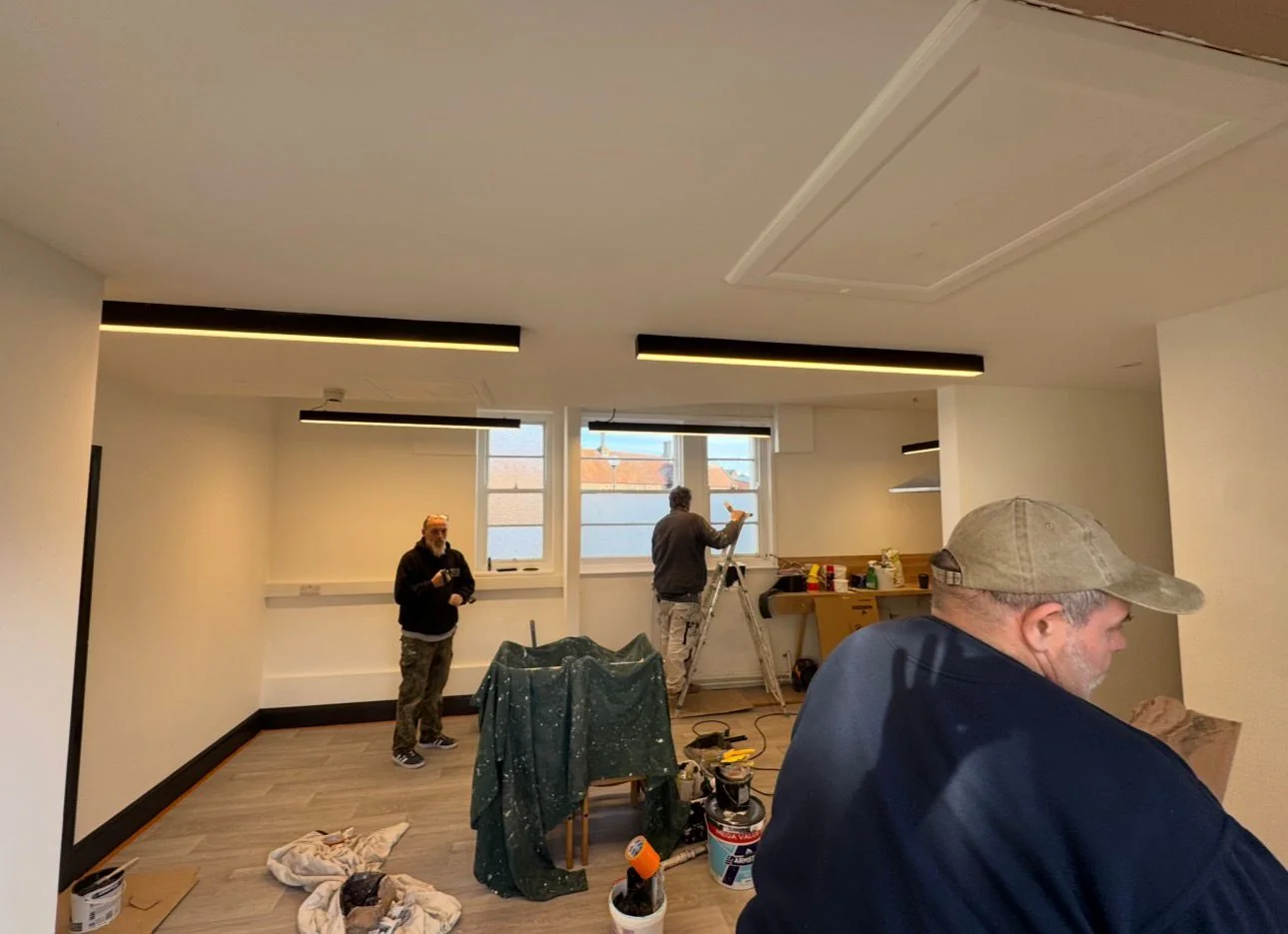
Renewables grew out of our electrical roots, and we still take on day-to-day electrical work for the homes and businesses we serve. Consumer-unit changes, fuse-board upgrades, partial rewires, kitchen and bathroom circuits, garden offices, and small-commercial fit-outs all sit comfortably in our range.

Every job is signed off under Part P with NICEIC notification, which means you get the building-control paperwork without having to chase your council yourself. If we need to coordinate with the DNO for a supply upgrade or a metering change, we handle that too.

We turn up when we say, work tidy, and explain options before we make changes. If your job overlaps with a planned solar or EV install, we will quote it as one piece of work so the wiring lands in the right place first time, and you do not pay twice for cable runs.

Public liability cover is £5 million, every electrician on the team is qualified and registered, and you get the same point of contact through Chris from quote to sign-off.

PRICE GUIDE From £85 / hour
Consumer unit £550 – £1,100
Rewire Quoted on survey
ACCREDITATION NICEIC + Part P
Free quote Yes
Coverage Somerset & SW

Frequently Asked Questions

Electrical Questions

What areas do you cover?

We cover Somerset and the wider South West, including Taunton, Yeovil, Bridgwater, Wellington, Tiverton, Minehead, Highbridge, and Weston-super-Mare. If you are unsure whether you are in our regular catchment, call 01823 212 770 or message us on WhatsApp and we will confirm before booking a survey.

Are you MCS certified and NICEIC registered?

Yes. Totum Renewables is MCS certified for solar PV and battery storage installs, NICEIC approved for general electrical work, a RECC code member for consumer protection, and TrustMark Government Endorsed Quality registered. We carry £5 million of public liability insurance, and our certificates are available on request.

Do you offer free quotes?

Yes. We provide a free, no-obligation site survey for solar, battery, EV chargers and electrical work. The survey takes about an hour, we look at your roof, consumer unit, usage data where available, and we follow up with a written quote that itemises the work clearly. You are not committed to anything until you sign.

Do you offer finance?

Yes. Totum Renewables is an Introducer Appointed Representative of Phoenix Financial Consultants Limited (Financial Services Register No. 1036089), and we can arrange finance options through them for customers who would rather spread the cost of a renewables install. We will explain the options at survey if it is something you would like to consider.

What payment methods do you accept?

We accept bank transfer and major card payments. Payment terms are typically in line with MCS guidelines, with a 25% deposit taken on order, protected under deposit protection. A further stage payment is usually taken on material delivery, with the remaining balance due on completion of the installation. All payment schedules will be agreed with you in writing before work begins.

How long have you been trading?

Chris founded the business after returning from several years working on major construction and renewables projects in Australia, and the move to a renewables-focused offer happened as battery technology started to make domestic installs genuinely worthwhile. The team has worked across solar, battery, EV, and electrical for several years now, and the operating company Electric Plus Ltd is registered at Companies House under number 11967489.

How much does a solar install cost?

A typical Somerset domestic install lands between £7,000 and £24,000, depending on system size, panel choice, inverter, and whether storage is included. We give a fixed written quote after a free survey so you know the price before committing, and finance is available through our Phoenix Financial relationship if you would prefer to spread the cost.

How long does a solar install take?

A straightforward 4 kW to 6 kW domestic rooftop install usually takes one to two days for a small in-house team. Larger systems with storage or commercial arrays take a little longer, and scaffolding sometimes adds a day either side. We give you a clear timeline as part of the written quote so you can plan around it.

What panels and inverters do you use?

We work with Tier-1 panel manufacturers and proven inverter brands including Solis, Growatt, SolaX, and Sigenergy. We do not push a single brand because every roof and every household uses power differently. We will recommend the panel and inverter combination that suits your roof, your usage, and your budget.

Will solar panels really save me money?

On a properly designed system, yes. The exact saving depends on your roof orientation, your daytime usage, and whether you add storage or an EV. We model the realistic payback based on a year of your actual half-hourly usage where we can pull it, and we are upfront if a system would not pay back inside its 25-year warranty.

Do you handle the DNO and MCS paperwork?

Yes. Every install includes the local DNO notification, MCS certificate, and the relevant building-control documentation. You receive the paperwork pack on handover, and we are happy to send digital copies to your conveyancer or insurer if needed.

Can you retrofit a battery to an existing solar system?

Yes. We retrofit AC and DC-coupled batteries onto existing arrays, and we work with Sigenergy, Livoltek, Growatt, and SolaX. We start with a survey of your inverter, consumer unit, and usage data so the storage is sized for the real saving rather than a manufacturer recommendation.

What size battery do I need?

It depends on when you actually use power. We pull your half-hourly usage where the supplier allows, look at evening and overnight consumption, and size the battery to capture the meaningful share of that load without oversizing. A typical Somerset family home is usually well served by 10 kWh of usable storage.

Can I use my battery with Octopus Go or Cosy?

Yes. Time-of-use tariffs work very well with battery storage. We set up off-peak charging windows during the install and link the system to the right monitoring app, so the battery loads up overnight at the cheap rate and discharges through the day. Most battery customers see meaningful bill reductions in the first quarter.

What warranty comes with a battery system?

Most battery systems come with a standard 10 year manufacturer warranty. However, we also offer selected products with 12 and 15 year warranties, which are considered market leading within the industry. Some of these extended warranties are included by the manufacturer as standard, depending on the brand and product chosen.

How much does an EV charger install cost?

A standard 7 kW home charger install lands around £900 to £1,800 depending on cable run, consumer-unit headroom, and earthing requirements. We quote in writing after a quick site survey so the price is fixed before install day, with no surprises.

Which EV charger brands do you fit?

We work with the major brands including QUBEV, Hypervolt, Ohme, EO, and Wallbox. We will recommend the unit that fits your charging pattern, your phone, and your budget, and we will explain the OCPP-compatibility and solar-aware options if those matter to you.

Can I qualify for the OZEV grant?

OZEV grants are still available for some property types, particularly flats and rental properties. We check eligibility at survey and administer the application on your behalf where you qualify. Single-occupancy houses are no longer eligible under current rules, but we will tell you that upfront.

Can I add an EV charger to a solar system later?

Absolutely, and we make it easier when we install the original solar. If you mention an EV is on the horizon at survey, we leave the wiring and consumer-unit headroom in place so the future charger install is faster and cheaper when you are ready.

Should I service my solar system every year?

Yes. An annual check picks up performance drift, isolator faults, and inverter firmware updates before they cost you generation. Our service visit covers DC and AC tests, monitoring health, and a written report. Most customers add it to a once-a-year diary entry alongside their other annual home checks.

What is an EICR and when do I need one?

An Electrical Installation Condition Report is a full inspection of the fixed wiring in a property. Landlords need one every five years by law, businesses commonly need one for insurance, and homeowners often want one before a sale or after major works. We carry out and certify EICRs across Somerset and the South West.

Do you service systems you did not originally install?

Yes. We service solar, battery, and EV charger systems regardless of who installed them. We start with a baseline check, document what we find, and quote any remedial work clearly before proceeding. We are happy to take over annual servicing for portfolios as well as individual properties.

What electrical work do you cover?

All standard domestic and light commercial work: fuse-board (consumer unit) upgrades, full and partial rewires, additional sockets and lighting circuits, fault-finding, EV-charger feeds and isolators, and any electrical work that ties into a solar or battery install. If it's safer to send a separate sparky for a small job we'll tell you straight.

How much does an EICR cost?

Electrical Installation Condition Reports start from £180 for a typical 3-bed semi and go up to £400 for larger or older properties. Price reflects the number of circuits and how accessible the consumer unit is. We provide the formal certificate, a clear remedial list (categorised C1/C2/C3/FI), and an honest quote for any work needed.

Do I need to upgrade my consumer unit before adding solar or an EV charger?

Often, yes. A modern install needs spare ways, RCD protection on the relevant circuits, and adequate main fuse/incoming capacity. We assess your existing board on the survey and only recommend an upgrade if the install genuinely requires it. A consumer unit replacement typically runs £550–£950 fitted.

Are you NICEIC and Part P registered?

Yes. Totum Renewables is an NICEIC Approved Contractor for both general electrical work and solar installations, and we're registered for Part P notification on domestic electrical work. Every job is signed off, documented, and uploaded to Building Control where required, so your property's certification stays clean.

Do you take on commercial electrical work?

Yes, Totum Renewables can assist with both domestic and commercial electrical installations. We are always honest about the type and scale of work we take on, and if we feel a project is outside our scope, we will happily recommend a trusted specialist contractor better suited to the job.